Building a Digital Security Command Center
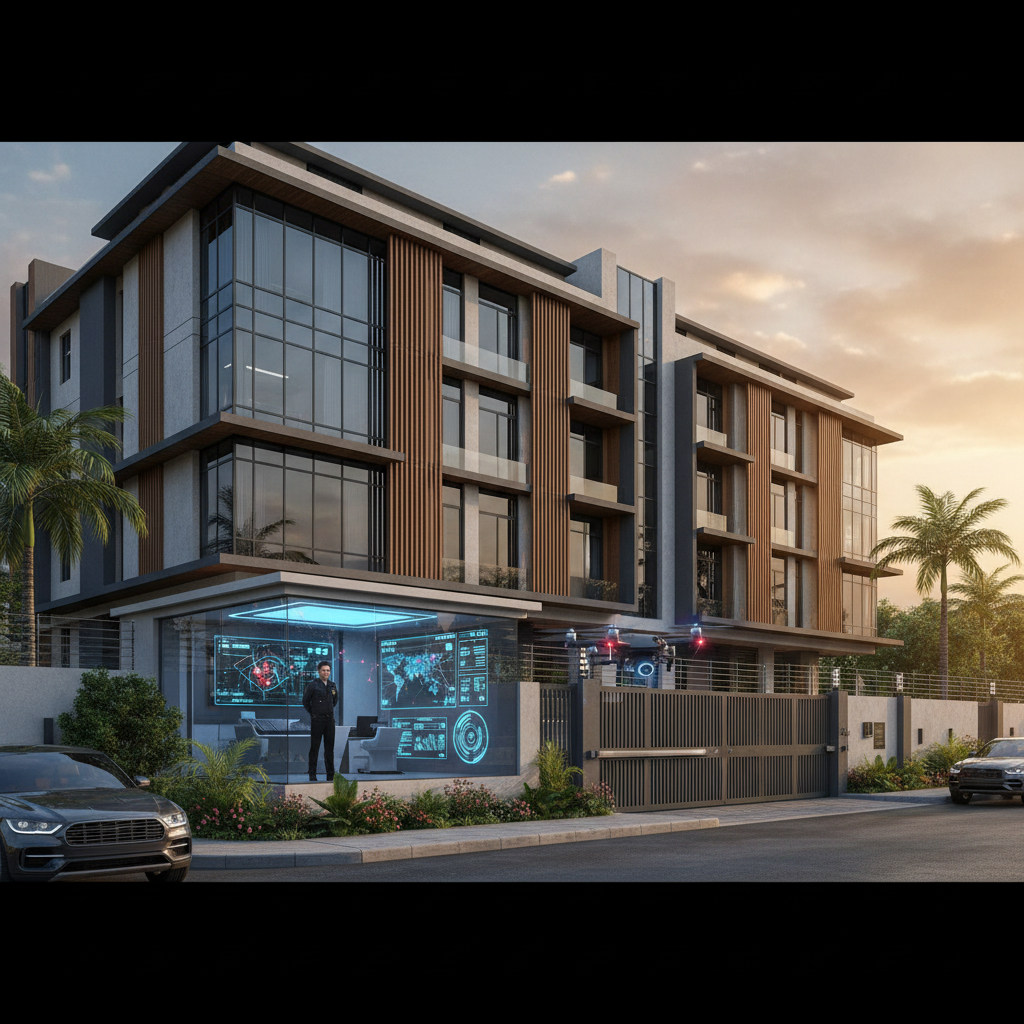
Modern gated estates in Nigeria face a growing security paradox. While perimeter walls and manned gates provide a sense of safety, the reliance on manual paper logs creates a dangerous lack of visibility. Real security is not just about physical barriers; it is about the ability to monitor, track, and verify every movement within the community in real time. Transitioning to a digital security command center replaces traditional chaos with structured control and operational clarity.
A digital command center serves as the central nervous system of a residential estate. It integrates visitor management, resident verification, and incident reporting into a single, unified dashboard. This shift allows estate managers to move away from reactive security measures toward a proactive stance. By leveraging technology like NokVision, estates can transform their gatehouses from mere checkpoints into sophisticated data hubs that prioritize resident safety.
The Need for Digital Visibility
Traditional estate security relies heavily on the memory and diligence of security guards. Manual ledgers are often illegible, easily misplaced, and impossible to search during an emergency. This lack of transparency creates vulnerabilities that unauthorized individuals can exploit. Digital visibility ensures that every entry and exit is recorded with timestamped accuracy and verifiable credentials.
When security teams have access to real-time data, they can identify patterns and potential threats before they escalate. Visibility also builds a culture of accountability among residents and staff. Knowing that every visitor is tracked via a unique digital footprint discourages unauthorized activities. This level of oversight is the cornerstone of professional estate administration in Nigeria's modern urban landscape.
Establishing Digital Access Control
The first step in setting up your command center is digitizing the entry process. Moving away from manual logbooks to QR code-based visitor passes is a game-changer for Nigerian estates. Residents can generate temporary access codes for their guests through the NokVision platform, which guards scan at the gate. This process eliminates long queues and the friction often associated with guest arrival.
Digital access control provides immediate verification of a visitor's host. It ensures that no one enters the premises without an explicit approval from a resident or the estate office. The system automatically records the duration of the visit, providing a clear audit trail. This transition from chaos to control significantly reduces the workload on security personnel while increasing overall efficiency.
Implementing Role-Based Dashboards
A successful command center requires different levels of information access for different stakeholders. Security guards need a simplified interface focused on scanning codes and logging incidents. Estate managers require a broader view, including financial status and maintenance schedules. Residents need a personal dashboard to manage their own visitors and service requests.
NokVision provides these role-based dashboards to ensure that everyone has the right tools for their responsibilities. Guards can operate on tablets or smartphones, making the system mobile and responsive. This decentralized approach ensures that data flows seamlessly from the gatehouse to the administrative office. It fosters a collaborative environment where security is a shared responsibility across the entire community.
Real-Time Monitoring and Alerts
Visibility is only effective if it leads to timely action. A digital command center must provide real-time notifications for critical activities. When a guest arrives or an incident is reported, the relevant stakeholders should receive instant alerts. This speed of communication is vital for maintaining a secure environment and responding to emergencies effectively.
Real-time monitoring also applies to internal operations, such as patrol logs and gatehouse activity. Managers can see exactly when security checks are performed and identify any lapses in protocol. This continuous feedback loop allows for constant improvement of security measures. It ensures that the estate remains a safe haven for all residents at all times.
Tracking Incidents and Trends
Security is not a static state; it evolves based on changing threats and community needs. A digital command center allows estates to log and categorize every security incident that occurs. Over time, this data reveals trends that can inform better decision-making and resource allocation. For example, if incidents spike during certain hours, patrols can be increased accordingly.
Using analytics tools within the NokVision platform, managers can generate detailed reports for board meetings. These reports provide objective evidence of security performance and help justify investments in infrastructure. Moving from guesswork to data-driven management is a hallmark of professional estate administration. It transforms security from a cost center into a strategic asset for the community.
Integrating Financial Transparency
Security and estate finances are deeply interconnected. Maintaining high-quality security personnel and equipment requires consistent funding through service charges. A digital command center can link access control with payment status to encourage financial compliance. This integration ensures that the resources needed for security are always available.
NokVision streamlines this process through automated billing and payment reminders. When residents see the direct link between their contributions and the quality of security, trust is strengthened. Transparency in financial reporting eliminates suspicions of mismanagement and fosters a more cohesive community. This trust is the foundation upon which a secure and well-managed estate is built.
Empowering Security Personnel
Technology is a tool to enhance human capability, not replace it entirely. A digital command center empowers security guards by giving them better information and reducing administrative burdens. Instead of struggling with paperwork, guards can focus on observation and physical security. The digital system acts as a force multiplier, making a small team more effective.
Training is essential to ensure that security teams are comfortable with the new digital tools. The interface must be intuitive and professional, reflecting the high standards of the estate. When guards feel equipped and supported by technology, their morale and performance improve. This professionalization of the security workforce is a key benefit of the NokVision ecosystem.
Simplifying Maintenance Coordination
Physical security also involves the upkeep of infrastructure like streetlights, perimeter fences, and CCTV cameras. A digital command center should allow for the quick reporting and tracking of maintenance issues. Residents can submit requests directly through the platform, ensuring that vulnerabilities are addressed promptly. This integration ensures that the estate's physical defenses are always in top condition.
NokVision facilitates this by allowing managers to assign tasks to maintenance teams and monitor progress. Clear communication between residents and management reduces frustration and ensures that nothing falls through the cracks. A well-maintained estate is a more secure estate. Operational simplicity in maintenance coordination directly contributes to the overall safety of the community.
Scaling for Future Growth
As Nigerian gated communities grow, their security needs become more complex. A digital command center must be scalable to accommodate more residents and more sophisticated threats. Whether an estate has 50 units or 500, the underlying digital infrastructure should remain robust. The ability to add new features and integrations is crucial for long-term viability.
NokVision offers flexible plans that allow estates to scale their digital operations as needed. The platform's enterprise-grade security and 99.9% uptime ensure that the command center is always operational. This scalability allows estates to future-proof their security systems and stay ahead of emerging challenges. Smart estate living means being prepared for growth without sacrificing safety or control.
Steps to Get Started
Setting up a digital security command center is a straightforward process when using the right platform. The first step is to register the estate and configure the necessary settings, such as entry protocols and user roles. Once the foundation is laid, residents and security staff can be invited to join the platform. This onboarding process is the beginning of a more secure and organized community life.
After the initial setup, the estate can begin managing visitors and service charges digitally. The data gathered during the first few weeks will provide valuable insights into operational efficiency. From there, management can use advanced analytics to further refine security strategies. The journey from chaos to control is a continuous process of improvement and adaptation.
Trust and Community Building
Ultimately, a digital security command center is about building a safer and more harmonious community. When residents feel secure and see that their estate is managed professionally, their quality of life improves. Digital systems provide the transparency needed to build trust between residents, management, and security teams. This collective trust is the most powerful security feature any estate can have.
By adopting a platform like NokVision, Nigerian estates can set a new standard for modern residential living. Security through visibility is not just a slogan; it is a practical approach to managing complex urban environments. The transition to digital operations simplifies workflows, reduces stress, and ensures that everyone in the community is protected. It is the smart choice for any estate looking to lead in the digital age.