Mastering Preventive Maintenance for Nigerian Gated Estates
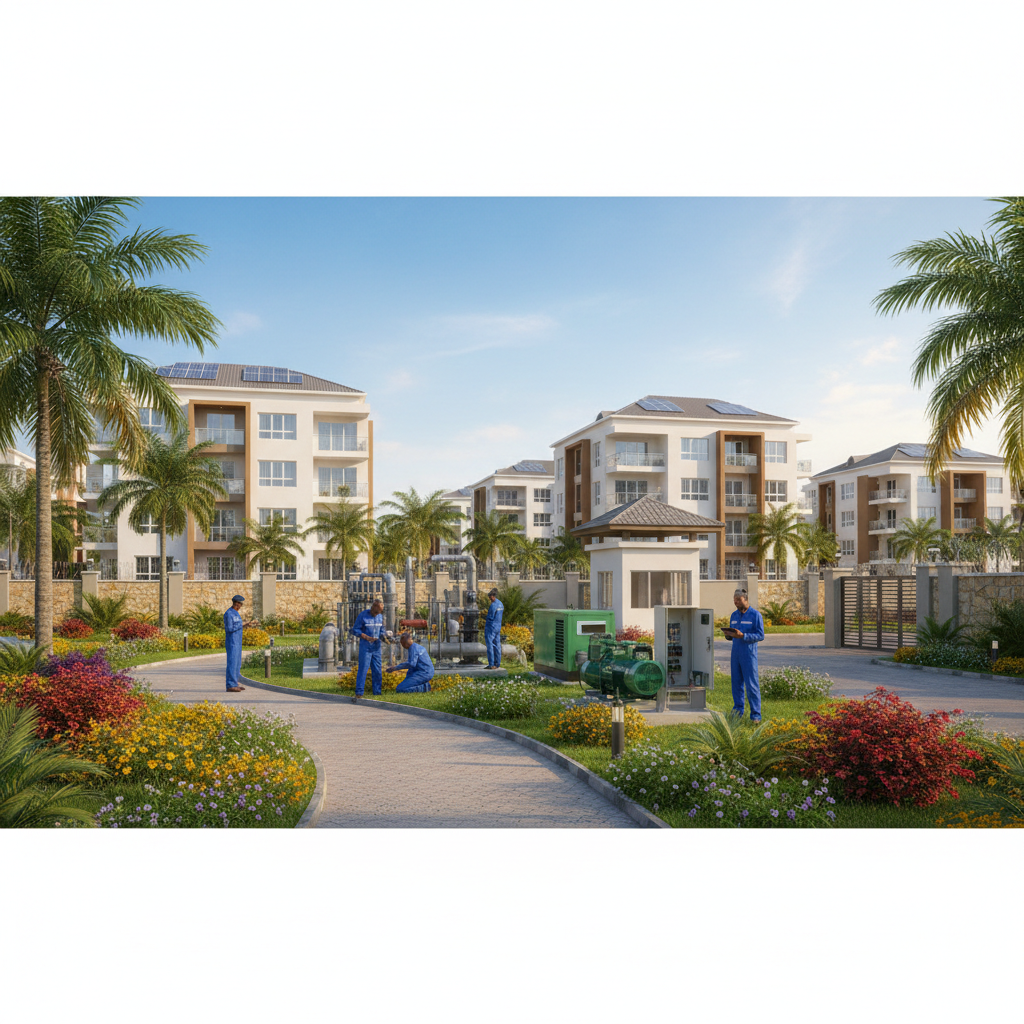
Managing a gated estate in Nigeria often feels like a constant race against mechanical failure. When the central generator knocks or the main entrance gate jams during morning rush hour, the result is immediate chaos and resident dissatisfaction. Most estate managers operate in a reactive mode, waiting for equipment to break before searching for a technician.
Transitioning from reactive fixes to a proactive preventive maintenance schedule is the foundation of professional estate administration. This shift not only preserves the value of the property but also ensures a seamless living experience for every resident. By planning ahead, you move the community from a state of operational friction to one of total control.
Preventive maintenance is more than just a checklist; it is a strategic approach to managing a modern ecosystem. In Nigeria’s unique environment, where humidity, dust, and erratic power supply put extra strain on infrastructure, a structured plan is non-negotiable. This guide outlines how to build a schedule that keeps your estate running like a well-oiled machine.
Why Preventive Maintenance Matters
Reactive maintenance is the most expensive way to run a residential community. When systems fail unexpectedly, you are forced to pay premium prices for emergency repairs and replacement parts. A preventive approach allows you to identify minor wear and tear before it evolves into a catastrophic and costly breakdown.
Operational simplicity is the primary benefit of a scheduled maintenance routine. By knowing exactly when a transformer needs servicing or when the drainage system requires clearing, the management team can work without stress. This predictability reduces the cognitive load on estate managers and allows for better time management across the board.
Furthermore, consistency in maintenance builds deep trust with residents. When facilities work as promised, residents feel their service charges are being utilized transparently and effectively. This transparency is essential for maintaining high collection rates and fostering a sense of community pride and cooperation.
Auditing Your Estate Assets
The first step in creating a schedule is conducting a comprehensive audit of all communal assets. You cannot maintain what you have not documented. Create a central register that lists every piece of equipment, its installation date, manufacturer’s warranty, and current physical condition.
Power and Water Infrastructure
In Nigeria, the central generator is often the heart of the estate. Your audit must include the kVA capacity, engine hours, and the last date of a major overhaul for every unit. Similarly, document the condition of transformers, solar streetlights, and power distribution panels across the premises.
Water systems require equal attention to detail. Map out the location of boreholes, industrial pumping machines, and water treatment plants. Note the capacity of overhead tanks and the age of the filtration media currently in use to ensure clean water reaches every household.
Security and Access Systems
Security is a core pillar of gated community living, and its infrastructure must be foolproof. Audit your automated gate motors, electric fencing, and perimeter lighting. If your estate uses digital access control like NokVision, ensure the hardware components are included in your physical checks.
Don't overlook the surveillance network. Document every CCTV camera location, the storage capacity of the DVR/NVR, and the health of the backup batteries. Functional security hardware provides the visibility needed to keep the community safe and residents at ease.
Common Area Amenities
If your estate features a gym, swimming pool, or clubhouse, these assets require specialized care. List all gym equipment, pool pumps, and HVAC systems in communal buildings. Even the estate’s drainage network and paved roads should be considered assets that require periodic inspection and cleaning.
Building Your Maintenance Calendar
Once your assets are listed, you must categorize them by the frequency of care required. A well-balanced calendar includes daily, weekly, monthly, and quarterly tasks. This distribution prevents the management team from becoming overwhelmed by too many tasks falling in a single week.
Daily Inspection Routines
Daily tasks should focus on high-usage systems that impact immediate comfort. Security guards or facility officers should perform a visual sweep of the perimeter lights every evening. Check the generator oil and coolant levels every morning before the scheduled power changeover to prevent engine seizing.
Waste management is another critical daily function. Ensure that communal bins are cleared and that the central collection point is sanitized. These small, daily actions prevent larger sanitary issues and maintain the aesthetic appeal of the estate, reinforcing the feeling of smart estate living.
Monthly Professional Servicing
Monthly intervals are ideal for deeper technical inspections performed by qualified vendors. This includes servicing the generator filters, testing the water pH levels at the treatment plant, and lubricating the moving parts of the main entrance gates. These visits should be documented with signed service reports.
Monthly checks are also the time to inspect the electric fence tension and test the backup power systems for the security post. Ensuring that security technology is always online is vital for maintaining access control. Any glitches in hardware should be rectified immediately to prevent vulnerabilities.
Annual Structural Assessments
Some tasks only need to happen once or twice a year but are massive in scale. For example, clearing the primary drainage channels should occur just before the rainy season begins. This prevents flash flooding, which can damage road surfaces and ground-floor apartments within the estate.
Annual structural checks should also include repainting communal curbs, inspecting the integrity of water storage towers, and deep-cleaning underground water reservoirs. Planning these large-scale projects in advance allows the estate to negotiate better rates with contractors and communicate timelines clearly to the residents.
Managing Maintenance Personnel
A schedule is only as good as the people executing it. Estate managers must decide between employing a full-time in-house maintenance team or outsourcing to specialized facility management firms. Each approach has its merits depending on the size and complexity of the estate.
In-house teams offer immediate response times and a deeper familiarity with the site. However, they require constant supervision and investment in tools and training. If you choose this route, ensure that every staff member has a clear job description and a daily logbook to record their activities.
Outsourcing to professional firms often provides access to higher technical expertise and specialized equipment. When using external vendors, establish clear Service Level Agreements (SLAs). These agreements should specify response times for emergencies and the expected quality of routine preventive visits to ensure professional estate administration.
Budgeting for Proactive Care
Financial transparency is the bedrock of successful estate management. To fund a preventive maintenance schedule, the estate must have a dedicated budget carved out from the service charges. Residents are generally more willing to pay when they see a clear breakdown of how funds are allocated toward asset preservation.
Use historical data to estimate the cost of consumables like generator filters, chemicals for the pool, and replacement bulbs for streetlights. Add a 10-15% buffer for inflation and unexpected price hikes in spare parts. This budget should be presented to the resident association to build consensus and trust.
Implementing a digital payment system like NokVision can significantly improve budget management. By automating service charge collection and providing transparent financial reporting, the management team can ensure there is always liquidity available to pay vendors on time. This prevents maintenance delays that could lead to equipment failure.
Leveraging NokVision for Success
Technology is the bridge between a paper-based plan and actual operational excellence. NokVision simplifies the maintenance coordination process by providing a centralized platform for tracking requests and task progress. Instead of manual logs, every maintenance activity is recorded digitally for future reference.
Residents can use the NokVision app to submit maintenance requests instantly when they notice a communal fault. This crowdsourced monitoring ensures that the management team is alerted to issues like a leaking pipe or a broken streetlight faster than a manual inspection would allow. Every request is tracked from submission to resolution.
Management can assign tasks to specific team members or vendors through the dashboard. This creates a clear audit trail of who did what and when. Having this visibility allows estate administrators to evaluate the performance of their technicians and ensure that the preventive schedule is being followed strictly.
Data Driven Decision Making
Over time, the data collected within the NokVision platform provides powerful insights into your estate’s health. You can track which assets are failing most frequently and identify recurring costs. This data-driven approach allows the board of trustees to make informed decisions about when to repair versus when to replace.
For example, if the data shows that a five-year-old generator is consuming 30% more fuel than it did last year despite regular servicing, it may be time to invest in a new, more efficient model. These insights transform estate management from guesswork into a professional, data-backed operation that adds long-term value.
Smart operations also mean keeping residents informed in real-time. Use NokVision’s notification system to alert residents when a scheduled maintenance window is approaching. Letting people know that the water will be off for two hours for tank cleaning prevents frustration and showcases a management team that is organized and proactive.
Transforming Your Community
Creating a preventive maintenance schedule is the first step toward modernizing your gated estate. It replaces the stress of constant breakdowns with the peace of mind that comes from organization. By treating the estate as a professional organization, you improve the quality of life for every resident and protect the physical infrastructure.
NokVision provides the digital infrastructure needed to support these professional standards. From visitor access control that keeps the estate secure to service charge automation that funds your maintenance, the platform is designed for the modern Nigerian community. It is time to leave the chaos behind and embrace the clarity of smart estate living.
Whether you are managing a small cluster of units or a massive urban development, the principles of proactive planning remain the same. Start by auditing your assets, build your calendar, and use technology to monitor the results. The result will be a more resilient, transparent, and prestigious estate that residents are proud to call home.