Professional Communication Systems for Nigerian Estates
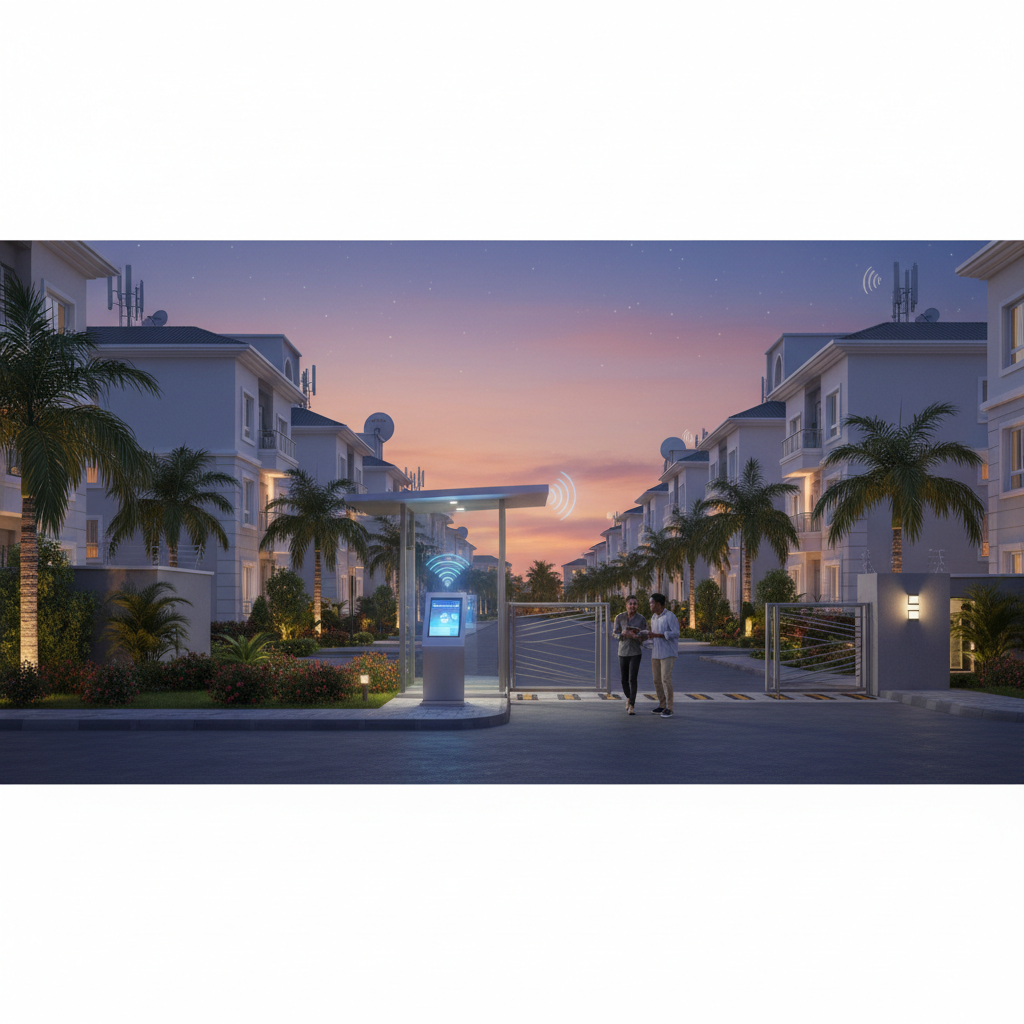
Most Nigerian gated communities currently rely on unorganized social chat groups to handle serious administrative tasks. This often leads to missed announcements, security lapses, and a lack of accountability among residents and management staff. Moving from unstructured messaging to a professional platform allows estates to reclaim control over their daily operations.
Traditional messaging apps were designed for casual conversation rather than managing complex residential infrastructure. When a resident reports a leaking water main alongside a casual birthday greeting, critical maintenance needs are frequently buried in the feed. This lack of prioritization forces estate managers to spend hours scrolling through messages just to identify actionable tasks.
The Unstructured Messaging Group Dilemma
Residents often feel overwhelmed by the constant ping of notifications that are irrelevant to their specific needs. When a group chat is used for everything from security alerts to selling used furniture, the important information loses its urgency. This notification fatigue eventually leads residents to mute the group, which defeats the purpose of having a community communication channel.
Social apps also present significant privacy risks within residential environments. In many Nigerian estates, residents' phone numbers and personal names are visible to everyone in the group, including temporary tenants and third-party contractors. This exposure can lead to unsolicited messages and a breach of the private atmosphere that gated communities are supposed to provide.
Estates often face several communication challenges:
- Critical security alerts get lost.
- Financial discussions lack formal structure.
- Historical records become untraceable quickly.
- Personal data is exposed publicly.
According to research on community management from the International Facility Management Association, structured communication is the foundation of operational success. Without a dedicated system, estate managers struggle to prove they have addressed specific concerns raised by homeowners. Transitioning to a professional environment ensures that every message serves a specific operational purpose without the social noise.
Information Overload In Resident Chats
Information overload happens when too many voices compete for attention in a single digital space. In a community of two hundred homes, the volume of messages can reach thousands per week, making it impossible to find official directives. This environment creates confusion regarding which rules are currently in effect and which announcements are official policy.
By separating social interaction from estate administration, communities can ensure that management updates remain prominent. A structured platform categorizes information so that a resident looking for a security update doesn't have to read through a debate about lawn maintenance. This organization allows for a more peaceful living experience where residents only receive the information they actually need.
Privacy Risks Within Social Apps
Protecting the data of high-net-worth residents is a primary responsibility for modern estate boards. When visitor names or home addresses are shared in an open chat for gate clearance, that data is permanently stored on the devices of every group member. This practice creates a massive security loophole that tech-savvy criminals could potentially exploit.
Moving to a system with role-based access ensures that only the relevant personnel see sensitive resident data. Security guards see the visitor names, while the accounts department sees the payment history, and neither sees more than necessary. This level of data protection is essential for maintaining the professional standards expected in modern Nigerian developments.
Enhancing Real-Time Operational Visibility
Smart estate living requires more than just sending text messages; it needs a system that tracks actions from start to finish. When operations are visible, every stakeholder feels more secure because they can see exactly what is happening in their environment. Visibility transforms the way residents perceive the value of their service charge payments.
Digitize Visitor Management in Nigerian Gated Estates to ensure that every entry is logged in a secure, central database. Visibility offers several operational advantages:
- Live entry and exit tracking.
- Maintenance request status updates.
- Verified guard patrol logs.
- Direct manager accountability reports.
Visibility builds a culture of trust between the management committee and the residents they serve. By using professional infrastructure, managers can provide data-backed reports that show exactly how the estate is being protected and maintained. This shifts the narrative from guessing what the manager does to seeing clear proof of work through a digital dashboard.
Tracking Security Events Through Visibility
Security is the highest priority for residents in Nigerian gated communities. A professional platform provides a live feed of security activities that can be monitored by the estate board in real time. If a suspicious vehicle is denied entry, the incident is logged with a timestamp and photo evidence rather than being a vague mention in a chat.
Forbes Technology Council notes that centralized data management significantly reduces incident response times. When a security emergency occurs, having a direct channel to the command center is more effective than shouting for help in a crowded group chat. This direct line of communication can save lives and prevent property loss during critical moments.
Verifying Maintenance Workflow Progress
Maintenance requests often become a source of friction when residents feel their complaints are ignored. In an unorganized system, a manager might forget a verbal or text-based request because there is no way to track its progress. Structured platforms assign a ticket number to every issue, ensuring that nothing falls through the cracks.
Residents can receive automated notifications when a plumber is dispatched or when a part has been ordered for a streetlamp repair. This transparency reduces the need for residents to constantly follow up with the management office for updates. It allows the facility team to focus on fixing the problem rather than answering repetitive phone calls.
Professionalizing Financial Information Flow
Transparency builds trust, especially regarding the collection and utilization of communal funds. Most conflicts in Nigerian estates stem from a perceived lack of clarity in how service charges are billed and recorded. Professional platforms automate financial alerts to ensure every resident knows exactly where they stand.
Automate Service Charge Collection in Nigerian Estates to reduce the time spent on debt recovery and manual reconciliation. Professional platforms automate financial alerts:
- Monthly bills sent automatically.
- Digital receipts generated instantly.
- Debt reminders delivered privately.
- Auditable transaction history access.
Experts at PropTech Africa emphasize that financial transparency is the biggest driver of resident compliance. Moving these conversations away from public groups prevents public shaming while maintaining a high rate of collection. Individualized dashboards allow residents to view their own financial standing without involving the entire community in their personal billing details.
Eliminating Disputes Through Structured Records
Disputes over payment status are common when estates rely on manual bank statement reconciliation. A resident might claim they paid three months ago, but the manager cannot find the transaction in a disorganized ledger. A digital system provides an immutable record of every payment, complete with the date, time, and transaction reference.
This level of detail makes it impossible to argue over whether a service charge was settled. It protects the estate manager from accusations of mismanagement and protects the resident from being unfairly penalized. Clear records ensure that the annual general meeting focuses on future improvements rather than past accounting errors.
Centralizing Service Charge Notification Delivery
Sending invoices through a dedicated platform ensures that every resident receives their bill in a professional format. Unlike a text message, a digital invoice can include a breakdown of costs for security, waste management, and common area electricity. This clarity makes residents more willing to pay because they understand the value they are receiving.
Automated reminders can be scheduled to go out at specific intervals before the payment deadline. This removes the personal awkwardness of a manager having to call a neighbor to ask for money. The system acts as a neutral third party that maintains the financial discipline of the community without damaging social relationships.
Improving Resident Satisfaction Levels
Residents in modern Nigerian estates are increasingly tech-savvy and expect their living environment to reflect their digital lifestyle. Why Nigerian Residents Demand Digital Estate Tools highlights the shift toward mobile-first management solutions that offer convenience. A professional communication platform meets these expectations by providing a sleek, intuitive interface for all estate interactions.
Targeted messaging improves response times:
- Emergency security broadcast alerts.
- Utility maintenance schedule updates.
- Meeting invitations and agendas.
- Policy change official notifications.
According to the National Bureau of Statistics, the adoption of digital services in urban Nigeria is at an all-time high. Residents appreciate receiving relevant updates that do not trigger constant notifications for unrelated topics. This professional approach respects the time of the community and ensures that important directives are followed consistently.
Streamlining Official Community Announcements
Official announcements should stand out from the daily chatter of estate life. A structured platform allows the management to pin important notices to the top of the resident's dashboard so they cannot be missed. This ensures that every household is aware of upcoming fumigation exercises or changes to gate house protocols.
When announcements are categorized correctly, residents can easily search for past notices without scrolling back through months of messages. If a resident needs to check the rules for using the community swimming pool, they can find the policy document in seconds. This accessibility to information empowers residents to follow the rules and participate fully in community life.
Managing Feedback Through Formal Channels
Giving residents a formal way to provide feedback or suggestions improves the overall atmosphere of the estate. Instead of venting frustrations in a public group, residents can use a feedback module to submit ideas directly to the board. This allows for a more constructive dialogue where suggestions can be evaluated and implemented professionally.
Managers can use these channels to conduct polls on community matters, such as choosing a new security provider or approving a landscaping budget. This democratic approach ensures that the majority of residents are satisfied with the direction of the estate. It also provides the board with measurable data to support their decisions during community meetings.
Implementing Reliable Operational Infrastructure
Modernizing residential estate operations is no longer optional for communities that want to maintain property values and safety. As Nigeria continues to urbanize, the complexity of managing large-scale gated communities will only increase. Professional digital infrastructure provides the foundation needed to manage this growth without increasing administrative stress.
Role-Based Dashboards: Transforming Nigerian Estate Administration allow different team members to focus on their specific duties. Digital infrastructure provides long-term stability:
- Searchable historical operational data.
- Scalable systems for expansion.
- Consistent handover between managers.
- Reduced administrative labor costs.
By adopting a digital operating system, estates move from reactive chaos to proactive control. This strategic shift positions the community as a modern ecosystem where technology enhances the quality of life for every resident. It ensures that the estate remains a desirable place to live and a secure investment for property owners.
Establishing Consistent Administrative Continuity
One of the biggest risks to Nigerian estates is the loss of information when an estate manager or committee member leaves their post. If all information is stored in personal WhatsApp accounts, the new team has no access to past records or ongoing issues. A centralized platform ensures that all data belongs to the estate, not to an individual's phone.
This continuity allows new managers to hit the ground running without having to reconstruct history from scratch. They can see the status of every maintenance ticket and the payment history of every unit immediately. Protecting the estate's institutional memory is vital for long-term operational success and resident confidence.
Strengthening Security Through Structured Access
Structured communication platforms integrate directly with security protocols to create a comprehensive safety net. When a resident uses the platform to pre-authorize a visitor, the gate guard receives the notification instantly on their dedicated dashboard. This eliminates the need for phone calls or unverified messages to the gate house, which are often prone to errors.
This system creates an airtight audit trail of every person who has entered or exited the premises. In the event of a security breach, the estate has digital evidence that can be shared with law enforcement if necessary. Moving from chaos to control means making security a proactive, data-driven operation that keeps every family safe.