Standardizing Governance for New Resident Associations
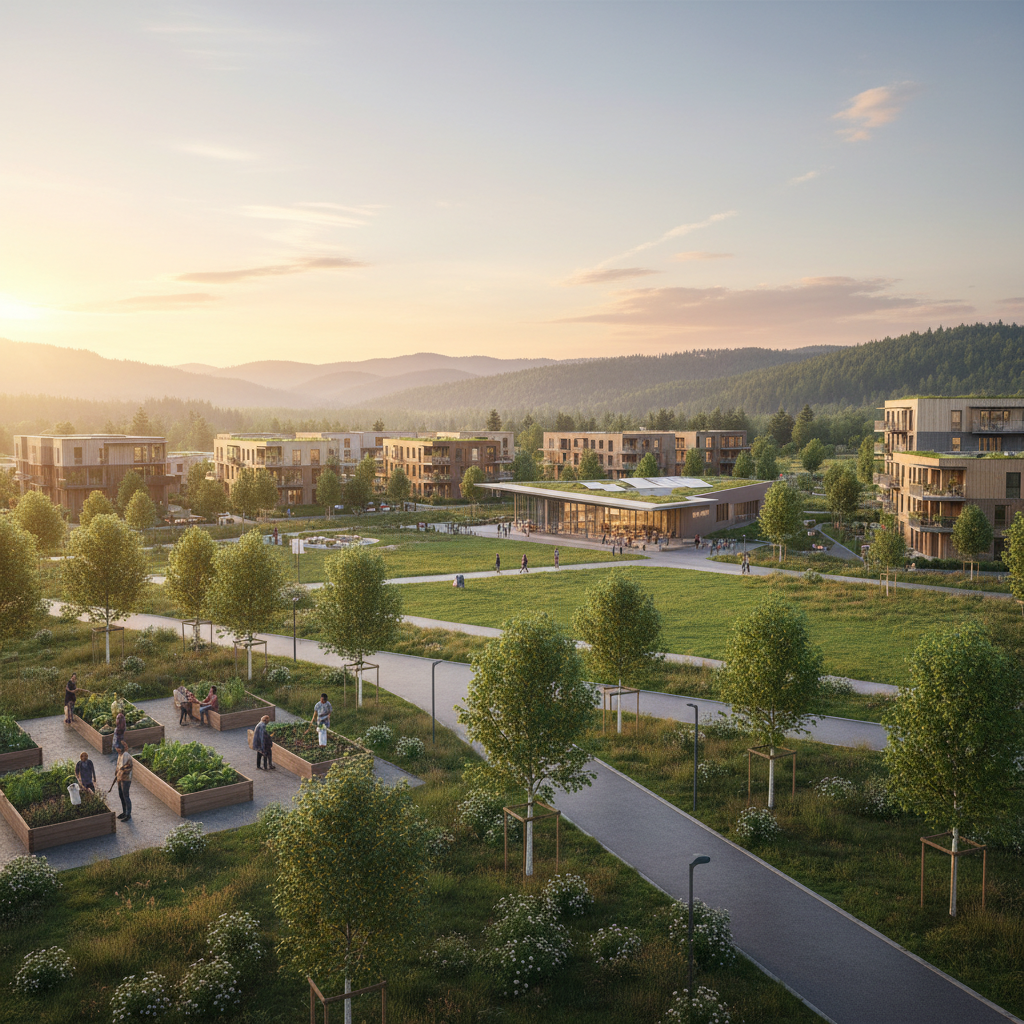
Establishing a resident association marks a critical transition from developer control to community self-governance. For new developments in Nigeria, implementing a standardized framework from day one ensures that professional administration remains the priority as the estate matures.
A robust governance structure serves as the foundation for every successful residential community. Without clear protocols, even the most well-intentioned committees may struggle with administrative ambiguity and inconsistent decision-making. Professionalizing these systems early prevents the erosion of trust between residents and management while creating a blueprint for long-term operational success.
The Foundation of Professional Administration
Transitioning to a resident-led model requires a shift in mindset from casual oversight to organized corporate-style governance. This evolution ensures that the estate functions as a high-performing organization rather than an informal gathering. By adopting professional standards, associations can protect property values and improve the overall living experience for all stakeholders.
Standardization involves creating repeatable workflows for every aspect of the community. From how meetings are conducted to how vendors are vetted, every action should follow a predetermined set of rules. This predictability is essential for maintaining order in large-scale developments where interests can often diverge.
Structuring a Robust Association Constitution
A comprehensive constitution is the legal heartbeat of any resident association. This document must outline the rights of homeowners, the powers of the board, and the mechanisms for conflict resolution. It is advisable to consult legal experts familiar with the Lagos State Real Estate Regulatory Authority guidelines to ensure full compliance with regional statutes.
A well-drafted constitution typically includes several specific pillars of governance:
- Defined criteria for membership eligibility.
- Standardized procedures for annual general meetings.
- Clear term limits for executive members.
- Legal protocols for amending estate bylaws.
Navigating the Developer Handover Phase
The period when a developer transfers management authority to the residents is often fraught with technical hurdles. Ensuring that all utility records, architectural drawings, and financial ledgers are accurately handed over is paramount. Associations must conduct thorough audits to verify that the infrastructure they are inheriting meets the promised specifications.
During this phase, it is vital to establish formal documentation processes to prevent data loss. Many associations find that Standardizing Handover Protocols for Lagos Developments provides the necessary structure to manage this complex transition effectively. This proactive approach ensures that the new management team starts with a clean and verified operational history.
Establishing Financial Accountability Systems
Transparency in financial management is the most significant factor in building resident trust. When homeowners see exactly how their service charges are utilized, they are far more likely to comply with payment schedules. Implementing digital financial infrastructure allows for real-time tracking and automated reporting, which eliminates the potential for errors found in non-digital financial management.
To maintain fiscal health, associations should focus on several core financial strategies:
- Automated billing for recurring service charges.
- Digital payment portals for instant reconciliation.
- Regular publication of audited financial statements.
- Structured reserve fund management for emergencies.
Effective fiscal oversight also requires a deep understanding of collection trends. Modern management teams often Optimize Service Charges Using Real-Time Aging Reports to identify payment gaps before they become critical. This data-driven approach allows for more accurate budgeting and ensures that the estate remains solvent.
Modernizing Security and Access Protocols
Security remains a top priority for gated communities across Nigeria, requiring a move away from physical registers. Standardizing security means implementing digital visitor access systems that provide verifiable entry and exit data. This digital-first approach enhances safety by ensuring that only authorized individuals gain access to the premises through secure QR codes.
Modern security frameworks rely on these specific components:
- Pre-authorized digital passes for guest entry.
- Real-time monitoring of security personnel activity.
- Digital incident logging for better accountability.
- Automated alerts for unauthorized entry attempts.
By leveraging intelligent estate operating platforms like NokVision, associations can centralize these security functions. This integration ensures that the security team at the gate is perfectly aligned with the residents' expectations and the board's safety policies.
Defining Operational Roles and Responsibilities
A common challenge in new associations is the overlap of duties between board members and estate staff. Standardization requires clearly defined job descriptions and limited access levels based on specific roles. This prevents administrative interference and ensures that sensitive data is only accessible to authorized personnel.
Implementing structured access to management tools is a key part of this strategy. Management teams benefit from Role-Based Dashboards vs. Shared Admin Logins Explained when delegating tasks to facility managers or security leads. This ensures that every action taken on the platform is traceable to a specific user, enhancing overall accountability.
Streamlining Maintenance and Facility Management
Consistent maintenance is essential for preserving the aesthetic and functional value of a residential development. A standardized governance framework should include a clear workflow for resident requests and vendor management. Moving away from unstructured communication channels ensures that every maintenance issue is recorded, assigned, and tracked to completion.
To ensure infrastructure longevity, associations should follow international standards such as those provided by the International Facility Management Association. These global benchmarks help local managers maintain equipment and common areas at peak performance levels.
Effective facility oversight involves several key operational steps:
- Standardized digital forms for maintenance requests.
- Prioritization matrix for urgent infrastructure repairs.
- Vetting protocols for external service providers.
- Preventative maintenance schedules for shared utilities.
Enhancing Community Communication Channels
Professional administration requires a centralized communication strategy that reaches all residents simultaneously. Relying on disjointed updates can lead to misinformation and frustration among the community. A unified platform for announcements ensures that every resident receives the same information regarding meetings, security updates, or utility disruptions.
Standardizing communication also means setting clear expectations for response times. When residents know exactly how and when their queries will be addressed, it reduces administrative friction. This level of organization reflects the professional standards expected in modern Nigerian developments.
Scaling Operations for Future Growth
As an estate grows in occupancy, its administrative needs will naturally become more complex. A governance framework that works for ten units may fail when scaled to five hundred units. Therefore, the digital infrastructure selected at the start must be capable of expanding alongside the community.
Future-proofing an estate involves continuous evaluation of operational trends and resident feedback. Associations that adhere to the Nigeria Code of Corporate Governance principles even in a residential context are better positioned for sustainable growth. This commitment to excellence ensures that the estate remains a premier destination for homeowners and investors alike.
Conclusion
Standardizing governance frameworks is not merely an administrative task; it is a strategic investment in the community's future. By prioritizing professional administration, financial transparency, and modern security infrastructure, new resident associations can create an environment of trust and efficiency. With the right digital tools and a commitment to standardized protocols, Nigerian estates can reach the pinnacle of modern residential living.