Managing Nigerian Estates Without Full-Time Admin Staff
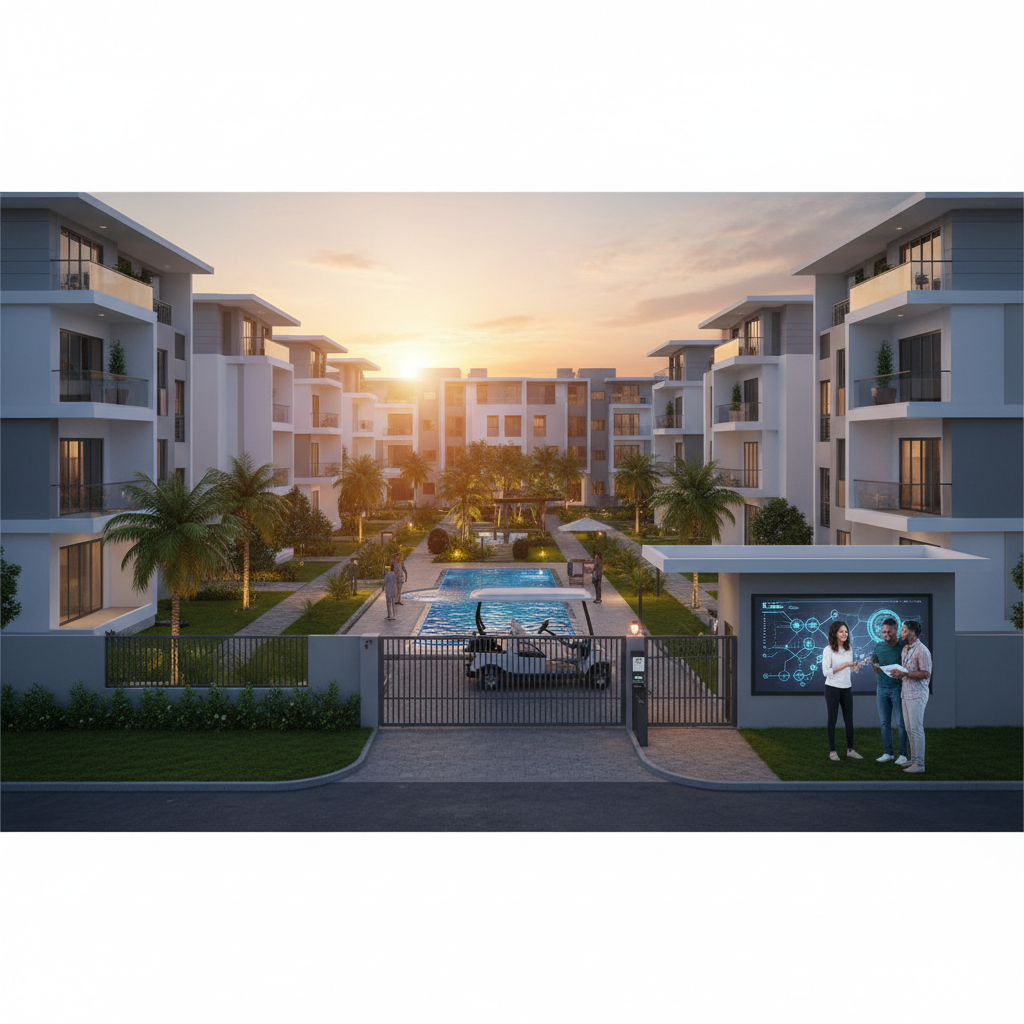
Managing Nigerian Estates Without Full-Time Admin Staff
Modernizing Estate Administration
Running a multi-unit residential estate in Nigeria traditionally requires a dedicated office, a fleet of administrative assistants, and a mountain of paperwork. From manual visitor logbooks at the gate to chasing residents for service charges, the overhead costs of human-led administration often drain the estate's budget. However, the rise of digital transformation is changing the landscape for Facility Managers and Resident Associations across Lagos, Abuja, and Port Harcourt. Modern technology now allows these communities to operate with maximum efficiency while maintaining a lean or even non-existent full-time administrative team.
The shift toward lean operations is not just about cutting costs; it is about eliminating the human error inherent in manual systems. When an estate relies on physical staff for every task, information becomes siloed, and transparency suffers. A digital-first approach ensures that every transaction, visitor entry, and maintenance request is logged automatically. This transition moves the estate from a state of constant chaos to one of structured, predictable control.
Reducing Overhead through Automation
The Cost of Manual Administration
Traditional estate management relies heavily on physical presence, which translates to high payroll expenses and administrative bottlenecks. Hiring full-time staff requires providing office space, equipment, and consistent supervision to ensure tasks are completed accurately. In many Nigerian estates, these costs are passed directly to residents through higher service charges, often leading to friction and low collection rates.
Beyond the financial burden, manual administration is prone to significant security and operational gaps. Paper logs at security gates are easily falsified, and physical receipts for payments are often misplaced or forgotten. Without a centralized system, the 'human factor' becomes a liability rather than an asset, creating a lack of accountability that erodes resident trust. Reducing dependency on a large admin team is the first step toward a more professional and transparent community ecosystem.
Operational Simplicity Through Automation
Automation is the cornerstone of managing a large estate with minimal staff. By implementing a system like NokVision, tasks that once took hours of manual labor are handled instantly by intelligent software. This allows estate executives to focus on high-level decision-making rather than the minutiae of daily gate logs or payment tracking. Digital tools act as a virtual assistant that never sleeps and never forgets a deadline.
Operational simplicity means that every stakeholder knows exactly where to go for information. Residents no longer need to visit a physical office to report a leak or pay their dues. Instead, they use a mobile interface to interact with the estate's infrastructure. This self-service model drastically reduces the volume of inquiries that a full-time admin would typically handle, allowing the estate to run smoothly in the background.
Security and Financial Accountability
Smart Security and Access Control
Security is the primary concern for gated communities in Nigeria, yet the traditional 'clipboard' method is woefully inadequate. Managing visitor traffic without a full-time coordinator is possible through digital visitor passes and QR code technology. Residents generate their own invites, which are sent directly to guests, removing the need for security guards to call every house upon arrival.
This system provides 'Security Through Visibility' by creating a real-time digital trail of everyone entering or exiting the premises. Security personnel at the gate simply scan a code, and the system logs the entry automatically. Because the data is stored in the cloud, estate managers can audit visitor trends without sifting through dusty logbooks. This level of control enhances safety while reducing the administrative work required to monitor the gatehouse.
Transparency in Financial Management
Financial disputes are one of the biggest challenges in Nigerian estate management, often stemming from poor record-keeping. When payments are managed manually, tracking who has paid and who is owing becomes a full-time job. Digital platforms solve this by automating billing, sending automated payment reminders, and providing instant receipts upon successful transactions.
'Transparency Builds Trust' within a residential community when every resident can see their payment history and the estate's financial health. Automated reporting tools allow the management committee to generate financial statements with a single click. This eliminates the need for an in-house accountant to spend days reconciling bank statements against manual ledgers. With transparent data, service charge collection rates typically improve as residents feel more confident in how their money is being handled.
Improving Maintenance and Oversight
Streamlining Maintenance and Requests
Handling maintenance in a multi-unit estate can be an administrative nightmare without a structured system. In a manual setup, residents call or text various people, leading to lost requests and delayed repairs. A digital ticketing system centralizes these requests, allowing residents to upload photos of the issue and track the progress of the fix in real-time.
Management can assign tasks to external vendors or on-site technicians directly through the platform. This removes the middleman—the administrative staff—who would normally have to relay messages back and forth. By automating the workflow from the moment a fault is reported to the final resolution, the estate ensures that repairs are handled professionally and promptly. This structured approach maintains the property value and keeps resident satisfaction high.
Professional Administration via Dashboards
To manage an estate effectively without a large team, you need a high-level view of all operations. Role-based dashboards provide different levels of access for residents, security teams, and estate managers. This ensures that the right person has the right information at the right time without cluttering the interface for others. It turns estate administration into a streamlined, B2B-style operation.
These dashboards provide powerful analytics that help the management committee make data-driven decisions. For example, if data shows a spike in visitor traffic on certain days, security staffing can be adjusted accordingly. If maintenance trends show frequent plumbing issues in a specific block, preventative measures can be planned. This proactive approach is only possible when data is digitized and easily accessible, replacing the reactive nature of manual management.
Scaling and Digital Implementation
Scaling Lean Estate Operations
As an estate grows from 50 units to 500 units, a manual system usually collapses under its own weight or requires a massive increase in staff. Digital platforms like NokVision are designed to scale seamlessly. Whether you are managing a small boutique development or a massive residential hub, the infrastructure remains the same. The cost per unit actually decreases as the estate scales, providing a better return on investment for the community.
Scaling with automation means that the complexity of the operation does not increase with the number of residents. The system handles the increased volume of visitor passes, service charge invoices, and maintenance tickets without requiring more human intervention. This flexibility allows Nigerian estates to maintain a 'premium' feel and professional standards regardless of their size or the number of units under management.
Getting Started with Digital Management
Transitioning to a digital management model is simpler than most resident associations realize. The first step is to move away from the mindset that more staff equals better management. Registering the estate on a platform like NokVision allows you to configure settings that match your specific rules and bylaws. Once the framework is set, inviting residents and security staff to join the platform creates the digital ecosystem needed for lean operations.
Starting with a focus on visitor management and service charge tracking often provides the quickest 'win' for the community. These are the areas where the most friction usually occurs. As the estate becomes more comfortable with the digital interface, additional features like maintenance coordination and advanced analytics can be rolled out. This phased approach ensures a smooth transition from old-school manual logs to a modern, smart estate living experience.
Conclusion: The Future of Nigerian Estates
The future of residential management in Nigeria lies in technology, not more manpower. By embracing operational simplicity, estates can reduce their overhead, increase security, and build lasting trust with their residents. Platforms like NokVision provide the digital infrastructure necessary to run a professional, transparent, and secure community without the need for a full-time administrative office. This shift is not just a trend; it is a necessity for the modern Nigerian urban environment where efficiency and security are paramount.